Why your classic car needs a GPS tracker
GPS tracker classic car guide: where to hide one, how to wire it safely, and what to document before the car goes missing.

A GPS tracker classic car fitment is a practical layer of protection for a vehicle that may be rare, easy to hot-wire, and hard to replace. Alarms and steering locks can help, but a tracker gives you something they do not: a chance to find the car after it leaves your sight.
Many classics do not have factory immobilisers. Door locks can be simple, ignition wiring is often easy to reach, and some cars are stolen on trailers. A tracker will not make the car theft-proof, but it can shorten the time between loss and recovery.
This guide covers the practical work: choosing a tracker, wiring it safely, hiding it well, and documenting the circuit so future repairs do not turn into guesswork.
Why a GPS tracker classic car setup makes sense
A classic car is often worth more than its book value. It may have a known history, rare trim, custom wiring, or years of your own work in it. Insurance can help with the money, but it cannot replace the exact car.
A GPS tracker can help with:
- Location after theft, so you can share live or recent data with police or your insurer.
- Movement alerts when the car moves without your knowledge.
- Geofence alerts when the car leaves a set area.
- Battery alerts when the vehicle battery is disconnected or low, if supported.
- Location history that may support a claim or recovery process.
For classics, the best tracker is usually the one you can hide, power safely, and maintain without draining the battery.

Tracker types and what they mean for a classic
Most vehicle trackers fall into a few groups. The right choice depends on how you use and store the car.
Tracker type | Strengths | Weak points | Best fit |
|---|---|---|---|
Hard-wired GPS/cellular tracker | Always powered, hidden, may support alerts | Needs correct wiring and often a subscription | Regular-use classics and higher-value cars |
Self-contained battery tracker | Easy to fit, no wiring changes | Needs charging, may sleep to save power | Storage or temporary protection |
Bluetooth tag | Cheap, small, easy to hide | Depends on nearby phones | Extra backup, not a main tracker |
OBD plug-in tracker | Fast install on modern cars | Often not useful on older classics | Later classics with OBD ports |
For many older cars, a hard-wired tracker is the strongest choice. It can sit behind trim, inside the dash, or near the rear of the car, and it may include a small internal battery if the main battery is cut.
A battery-only tracker can still be useful if you want to avoid changes to original wiring. Bluetooth tags can help in public areas, but they are not enough for a valuable classic.
Where to hide the tracker
The tracker should be hidden, but not buried so deep that GPS or cellular signal is blocked. Metal panels, heater boxes, and thick sound deadening can reduce performance.
Good locations often include:
- Behind a plastic or fibreboard dash panel.
- Under a parcel shelf, away from speaker magnets.
- Inside a rear quarter trim area.
- Behind interior trim near a window line.
- Under a seat base, if it stays dry and cannot be kicked.
Avoid:
- Engine bay areas with heat, water, and ignition noise.
- Directly beside the battery or main fuse box.
- Inside a sealed metal cavity.
- Near pedals or steering parts.
- Anywhere that traps water or rubs on sharp metal.
Do a signal test before final fitting. Put the tracker where you plan to install it, close the panels, and check that it reports reliably. If it needs an external antenna, route that antenna with the same care as any other low-current wire.
Wiring a tracker without creating new faults
A tracker is a small load, but it still needs a proper circuit. Poor wiring can cause battery drain, blown fuses, or faults that are hard to trace later.
Most hard-wired trackers need some mix of:
- Permanent 12V or 24V supply.
- Ground.
- Ignition-switched sense wire.
- Optional output for a relay or alert device.
- Optional external antenna.
Read the manual first. Check the voltage range, fuse advice, and whether the unit suits your charging system. Some classic charging systems run higher or lower than modern cars, especially with old regulators.
Fuse the supply close to the source
The tracker feed should be fused as close as practical to the point where it takes power. Do not rely on a distant fuse that also protects other loads. If the wire shorts before that fuse, it may not be protected.
Use a fuse sized for the wire and the device, not a large spare fuse from the glovebox. For a refresher, see How to size a fuse for a 12V automotive circuit.
For many installs, a clean approach is:
- Take a fused permanent feed from a suitable distribution point.
- Add a solid ground to a clean body or chassis point.
- Add ignition sense from an existing switched feed, if supported.
- Loom the wires to the same standard as the rest of the car.
- Label the service end without making the tracker easy to find.
Do not twist wires around fuse legs, push bare wire into a fuse holder, or use random speaker wire. A tracker is a security device, but it is still part of the car's electrical system.
Think hard before adding immobilisation
Some trackers can drive a relay to interrupt a circuit. This can be useful, but it must be designed with care.
Do not cut power to ignition, fuel pump, or engine management while the car is moving. A remote immobiliser should only prevent restart when safe. In many builds, it is better to keep the tracker as a tracking and alert device, then use a separate hidden kill switch or approved immobiliser.
If you add a relay, use the right relay type, contact rating, and fail-safe logic. A relay that fails open can leave you stranded. A relay wired into the wrong circuit can create a dangerous fault.
Battery drain is a real concern
Classic cars often sit for weeks. Even a small tracker current can flatten a battery over time, especially if the car already has a clock, radio memory, alarm, or weak battery.
Before fitting a tracker, check parasitic draw with the car asleep. After fitting it, check again with doors shut, lights off, and any courtesy switches settled.
If the car is stored long term, consider:
- A smart maintenance charger.
- A tracker with a low-power mode.
- A unit with its own backup battery.
- A hidden battery isolator, if it does not kill the tracker.
- A small protected feed that stays live when the isolator is off, if safe and legal for your use.
That last point needs care. If the tracker bypasses a master cut-off switch, the bypass wire must still be fused and protected. It should not defeat motorsport or workshop safety rules.

Make it hard to remove and easy to service
A good install balances secrecy and maintenance. If nobody can find the tracker, you may also struggle when the battery drains or the unit needs a SIM change.
Good practice looks like this:
- Hide the tracker away from obvious alarm and fuse locations.
- Use factory-style loom routes where possible.
- Avoid bright, unusual wire colours near the tracker.
- Secure the unit so it cannot rattle.
- Protect wires through bulkheads and metal edges.
- Keep antennas away from high-current cables.
- Record the circuit in your private build notes.
Wire labels are useful, but be careful. A label saying "tracker feed" beside the fuse box helps a thief. Instead, use a private code in the car and keep the full meaning in your records. For general labelling methods, see How to label automotive wires so repairs stay readable.
Document the tracker circuit
Security wiring is often left out of public build diagrams, but it still needs private records. At some point, you may sell the car, fix a drain, replace a fuse box, or remove an old tracker.
A private wiring diagram should show:
- Power source and fuse location.
- Fuse rating and wire size.
- Ground point.
- Ignition sense connection, if used.
- Any relay contacts and coil wiring.
- Antenna route, if hard-wired.
- Any battery isolator bypass.
- Service notes for removal or replacement.
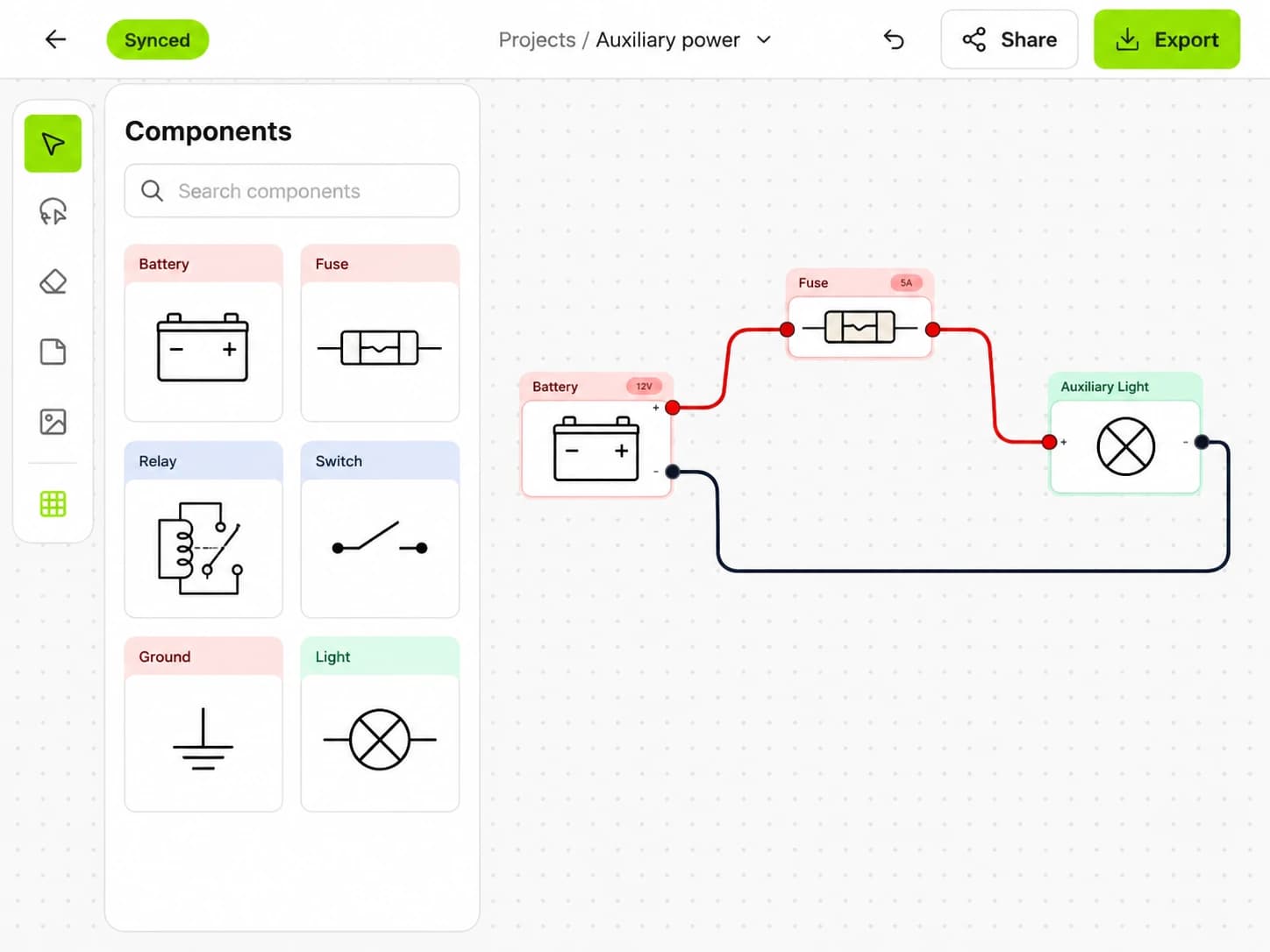
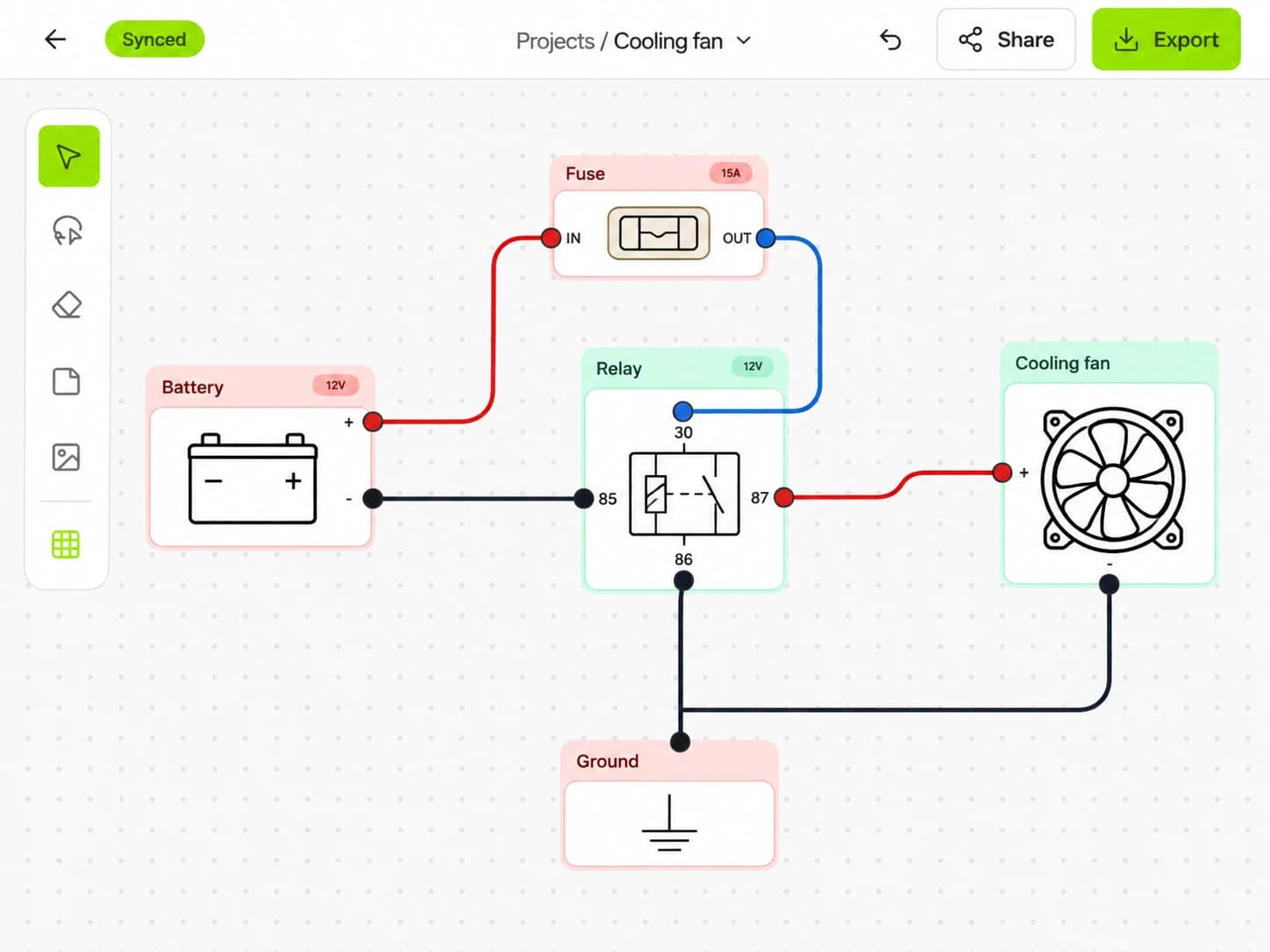
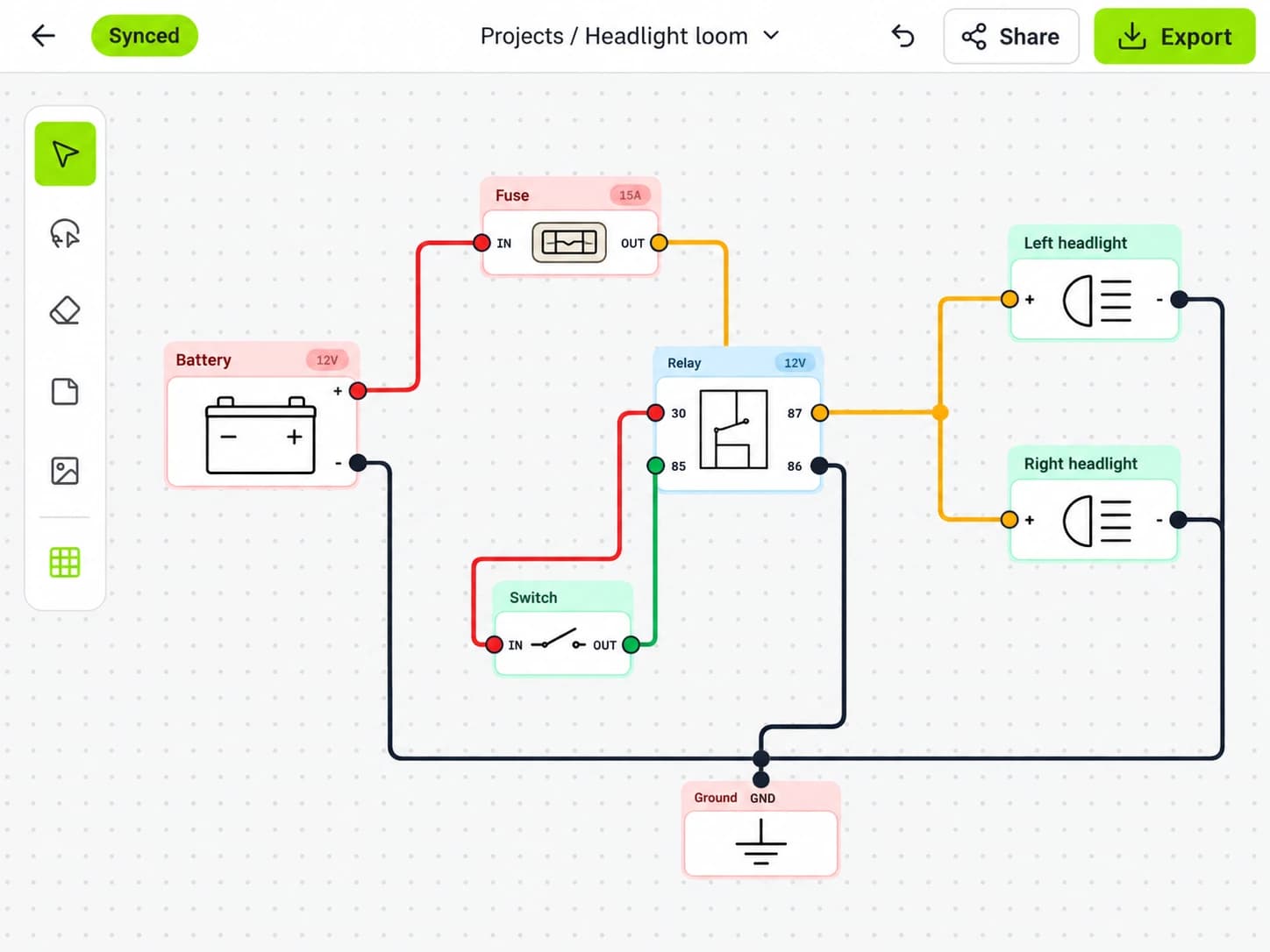
This is where X/D Loom fits well. You can keep a clean diagram for the main loom, then add a private security layer for the tracker. X/D Loom is focused on vehicle circuits, fuse boxes, looms, and practical exports.
Privacy, legal, and insurance points
A tracker on your own classic car is usually simple, but there are still rules and common-sense limits.
If more than one person drives the car, tell them it has a tracker. If a workshop, transporter, or storage company handles the car, ask how they want alerts managed. Do not use a tracker to monitor someone without consent.
Check your insurance policy as well. Some policies may require an approved tracker for agreed-value cover. If a specific standard or installer is required, confirm it before you buy hardware.
Also plan what you will do if the car moves. Do not confront thieves. Save the location data, call police, and follow your insurer's process. A tracker is there to improve recovery, not to put you in danger.
A simple install checklist
Use this as a starting point before you pull trim apart.
- Choose a tracker that supports your vehicle voltage.
- Confirm coverage where the car is stored.
- Decide if you need hard-wired power or battery-only use.
- Pick a hidden location with signal and service access.
- Plan a fused permanent feed and good ground.
- Check battery drain before and after fitting.
- Avoid unsafe remote immobilisation.
- Protect and secure all wiring.
- Test movement, battery, and geofence alerts.
- Record the circuit in a private diagram.
Conclusion
A GPS tracker classic car installation will not stop every theft, but it can help you act fast if the car disappears. Fit it like any other important circuit: fused, protected, tested, and documented.
If you are adding a tracker, relay, fuse box, or hidden security circuit, plan it before you cut wire. Build and document your loom with X/D Loom so the car stays safe, readable, and repairable.
Photo by Meritt Thomas on Unsplash. Article images may include AI-edited variations of this source.
Put it into practice.
Plan your next circuit in X/D Loom. Add components, connect the wires, and keep your build easy to follow.
Free to start. No credit card required.