Wiring Diagram for Car Lights: A Complete Guide.
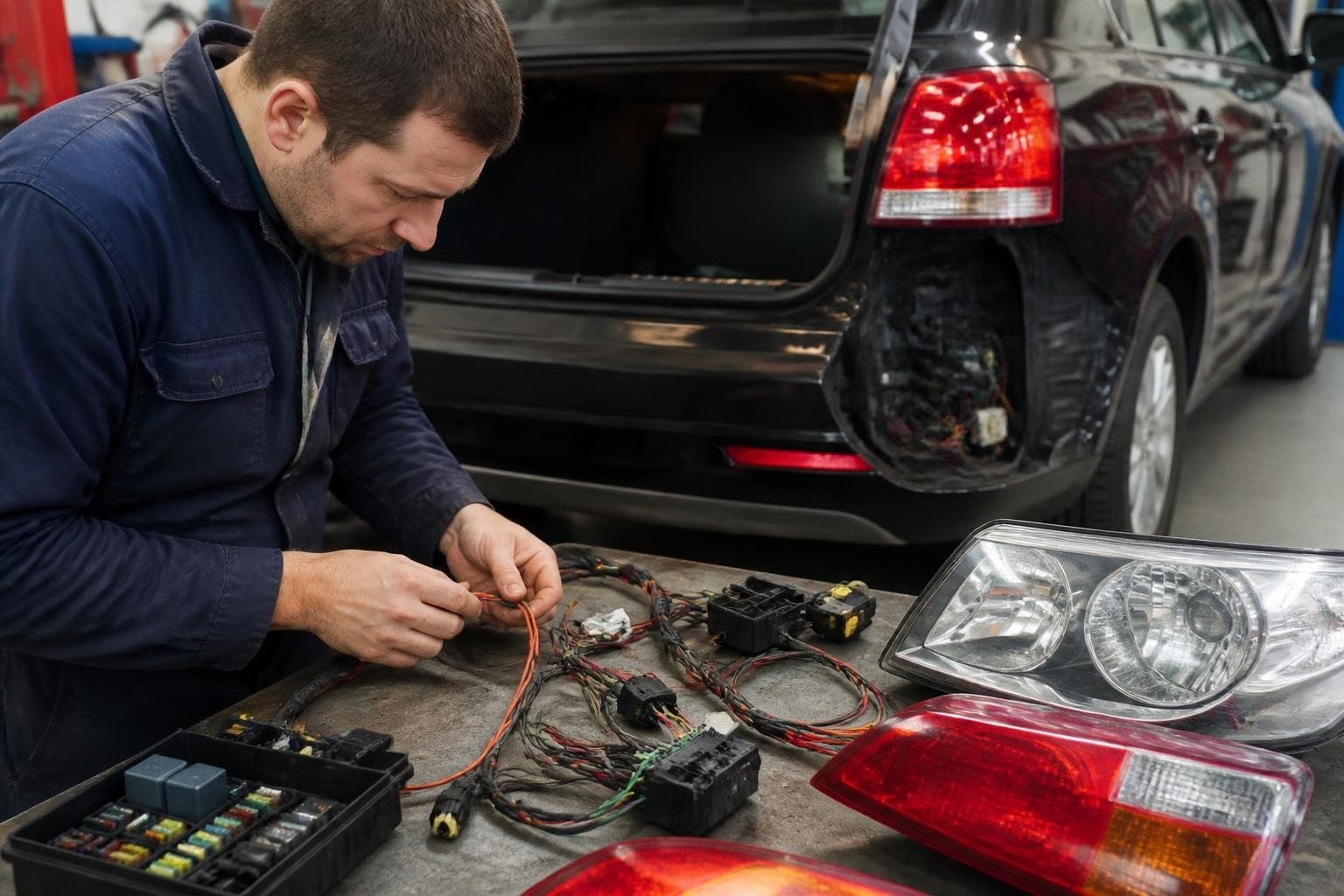
If you're building a project car or upgrading your lighting system, you'll definitely need a solid wiring diagram for car lights. Whether you're installing new headlights, adding ambient lighting, or troubleshooting a brake light issue, understanding how to read and create these diagrams can save you hours of frustration and prevent costly mistakes. Let's break down everything you need to know about automotive light wiring diagrams in 2026.
Understanding the Basics of Automotive Lighting Circuits
Car lighting systems might seem complicated at first glance, but they're built on straightforward principles. Every light in your vehicle connects to the battery through a series of wires, switches, and protective devices like fuses and relays.
The key to mastering any wiring diagram for car lights is recognizing that all circuits follow the same basic pattern: power source, control device (switch or relay), load (the light itself), and ground. Reading wiring diagrams becomes much easier once you understand this fundamental flow of electricity.
Common Components in Light Wiring Diagrams
When you're working with car lighting circuits, you'll encounter several standard components:
- Power supply - Usually 12V from the battery or alternator
- Fuses - Protect circuits from overload
- Relays - Act as electrical switches controlled by low-current signals
- Switches - Manual controls like headlight switches or brake pedal switches
- Grounds - Complete the circuit by connecting back to the chassis
- Connectors - Join wires and allow for easy disconnection
Each component has its own symbol in wiring diagrams. Learning these symbols is like learning a new language, but it's totally worth the effort.
Wire Colors and Their Meanings
One thing that trips up a lot of folks is understanding wire color codes. In automotive wiring, colors aren't random - they actually tell you what each wire does.
Wire Color | Common Function |
|---|---|
Red | Positive power from battery |
Black | Ground connection |
Yellow | Left turn signal |
Green | Right turn signal |
Brown | Tail lights, marker lights |
White | Ground or reverse lights |
Blue | Headlight high beam |
Keep in mind that manufacturers sometimes use their own color coding systems. That's why having access to factory diagrams or understanding how to interpret automotive wiring diagrams specific to your vehicle is crucial.

Different Types of Car Light Circuits
Not all lighting circuits work the same way. Here's what you need to know about the main types you'll encounter.
Headlight Circuits
Headlight wiring is typically more complex because it involves multiple beam settings, dimmer switches, and often daytime running lights. Modern vehicles also integrate headlight relays to handle the higher current draw without overloading the dashboard switch.
Brake and Turn Signal Circuits
These circuits share some wiring in many vehicles, which is why you might see combination bulbs at the rear. The turn signal flasher module creates that distinctive blinking pattern, while the brake light switch activates whenever you press the pedal.
Auxiliary and Custom Lighting
If you're adding under-dash lighting or ambient door lighting to your project car, you'll be creating your own circuits. These usually involve tapping into existing power sources and adding switches or controllers.
Creating Your Own Wiring Diagrams
Here's where things get really practical. When you're working on a project car, you can't always rely on factory diagrams - especially if you're modifying the electrical system.
Step 1: Identify all components - List every light, switch, relay, and connector you'll be using.
Step 2: Map the power flow - Start from the battery and trace how power will reach each component.
Step 3: Plan your grounds - Don't skimp on ground connections. Poor grounds cause more electrical problems than anything else.
Step 4: Choose appropriate wire gauges - Headlights need heavier gauge wire than interior lights.
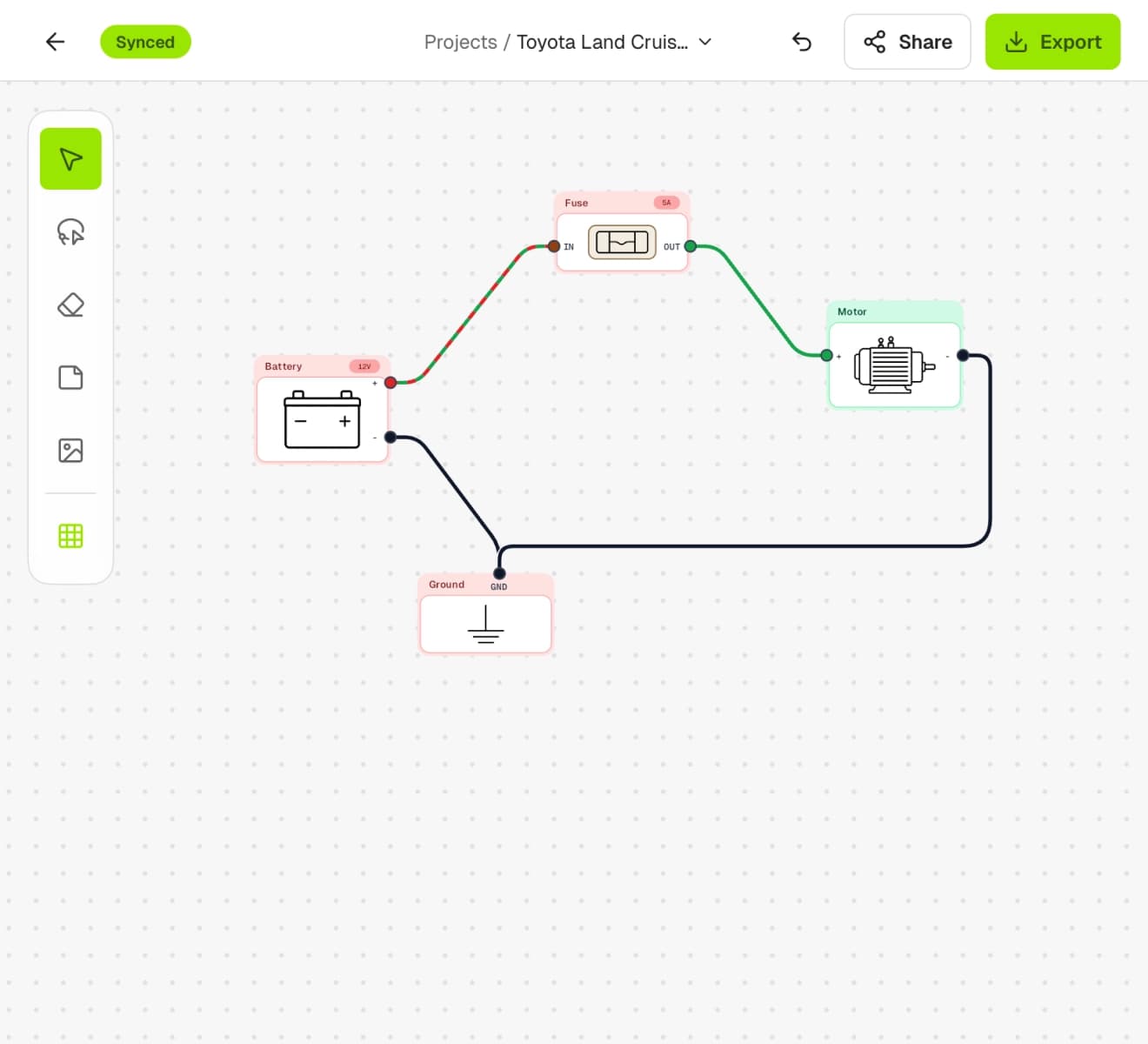
Step 5: Document everything - This is where a tool like X/D Loom becomes invaluable for professional documentation.

Modern tools have made creating wiring diagrams so much easier than the old days of pencil and paper. The intuitive features available in web-based platforms let you drag and drop components, automatically route wires, and export professional diagrams you can actually use in your garage.
Reading Factory Wiring Diagrams
Sometimes you need to work with OEM diagrams, like when you're troubleshooting existing systems. Factory diagrams look intimidating, but they follow logical patterns.
Wikipedia's overview of wiring diagrams explains that these documents use standardized symbols and conventions. For instance, if you're working on a complex vehicle like the Infiniti Q50, the factory diagrams show every connection in the entire lighting system.
Tips for Decoding Complex Diagrams
- Start with the power source and follow the circuit logically
- Identify all connectors and their pin numbers
- Note wire colors and gauge sizes
- Look for splice points where multiple wires connect
- Pay attention to component locations referenced in the diagram
Common Mistakes to Avoid
We've all been there - you finish wiring up your new lights, turn them on, and... nothing happens. Or worse, something starts smoking. Here are the mistakes that'll get you every time:
Using wire that's too thin - This creates resistance, heat, and potential fire hazards.
Forgetting to fuse circuits - Every power wire needs appropriate fuse protection.
Poor ground connections - Lights won't work properly with weak grounds, no matter how perfect the power side is.
Mixing up polarity - LED lights are especially sensitive to reversed polarity.
When working with tail lamps specifically, understanding proper wiring configurations helps avoid these common pitfalls.

Best Practices for Professional Results
If you want your wiring to look clean and function reliably for years, follow these pro tips:
- Use proper connectors - Crimp or solder connections, then heat shrink them
- Route wires away from heat - Keep them clear of exhaust components
- Secure wires properly - Use zip ties and wire loom to prevent chafing
- Label everything - Future you will thank present you
- Test before final assembly - Verify each circuit works before buttoning everything up
Digital Tools for Modern Wiring Projects
The traditional pen-and-paper approach to wiring diagrams has serious limitations. In 2026, there's really no reason not to use digital tools that make the process faster and more accurate.
With platforms designed specifically for automotive work, you can access comprehensive component libraries, automatically calculate wire gauges, and even work on your diagrams from an iPad while you're in the garage. The latest iPad app capabilities mean you're not tied to your desktop when inspiration strikes.
Digital diagrams are also easier to share with others, whether that's a helper in your garage or an online community reviewing your design. You can make changes instantly without starting over, and the final diagrams look professional enough to include in build documentation or even sell with the car.
Creating a proper wiring diagram for car lights doesn't have to be overwhelming when you understand the basics and use the right approach. Whether you're troubleshooting factory wiring or designing a custom lighting setup from scratch, clear documentation makes everything easier. If you're serious about your project car's electrical system, check out X/D Loom to create professional wiring diagrams with an intuitive interface that works on both web and iPad - perfect for taking your documentation from the computer to the garage.